
Myths and misconceptions about winning strategies in casinos
The Illusion of Control
Many people believe that they can control the outcomes in games of chance through skill or strategy. This misconception often leads players to think that they can predict results based on previous outcomes. In reality, most casino games are designed to ensure randomness, and the house always holds an edge. Understanding that luck plays a significant role can help players approach gambling with a clearer mindset, especially when they look for monopoly live results today.

This illusion of control can result in emotional decision-making, where players chase losses or deviate from their strategies in an attempt to regain what they have lost. It’s essential to recognize that past results do not influence future outcomes, especially in games governed by random number generators.
The Martingale Fallacy
One of the most pervasive myths is the belief in the Martingale strategy, where players double their bets after every loss, thinking they will eventually win back their losses. While it might sound appealing in theory, this strategy can lead to significant financial losses in practice. Casinos often impose table limits, which can prevent a player from doubling their bets indefinitely.
This strategy ignores the fact that streaks of losses can occur and can exhaust a player’s bankroll quickly. Understanding the limitations and inherent risks of such betting systems is crucial for anyone considering using them in a casino setting.
The Gambler’s Fallacy
The gambler’s fallacy is another common misconception that can lead to poor decisions. Players often believe that if a certain outcome has occurred frequently in the past, it is less likely to occur in the future. For example, if a roulette wheel has landed on red several times in a row, some believe that black is now “due” to occur.
This line of thinking fails to account for the fact that each spin is independent of the last. The odds remain the same regardless of previous outcomes, and relying on this fallacy can be detrimental to a player’s strategy and overall experience in the casino.
The Role of Superstitions
Many gamblers turn to superstitions, believing that certain rituals or lucky charms can influence their luck. This belief can lead to a reliance on non-logical behaviors, such as wearing specific clothing or performing certain actions before placing a bet. While these practices can be fun and add excitement, they do not impact the actual odds or outcomes of the games.
Recognizing that the outcome of gambling is ultimately determined by chance can help players focus on making informed decisions rather than relying on unfounded beliefs. It can also enhance the enjoyment of the gaming experience without the burden of superstitious thinking.
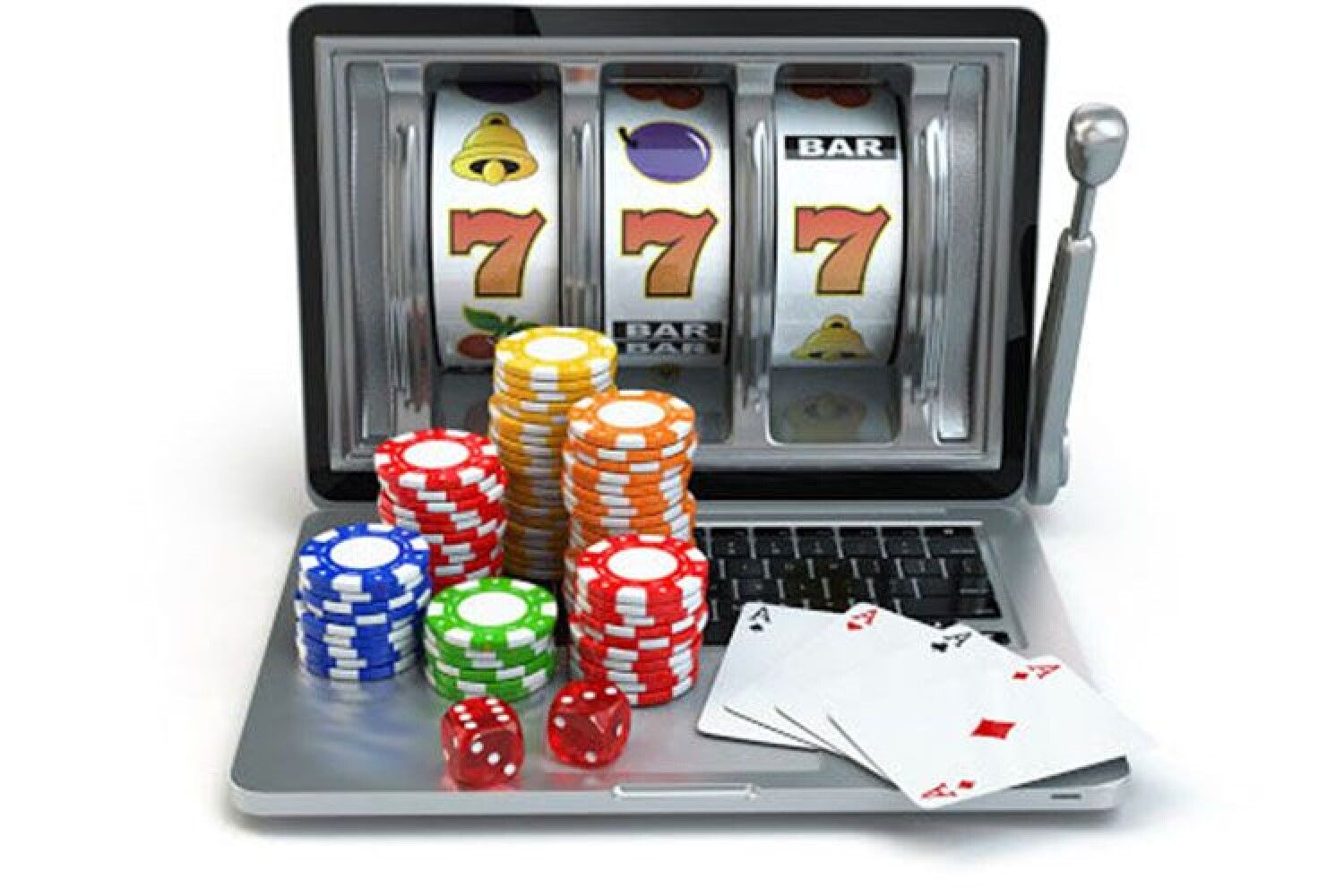
Understanding Casino Strategies
While many myths surround winning strategies in casinos, a more grounded understanding can significantly improve a player’s experience. Recognizing that there is no guaranteed method to win consistently allows for a more realistic approach to gambling. Knowledge about the games, odds, and house edge is critical for making informed decisions.
This website aims to provide resources and insights into the world of gambling, helping players navigate through the myths and misconceptions. By promoting education and awareness, we hope to empower gamblers to enjoy their experience responsibly and with realistic expectations.